
· Conference · 2 min read
Identiverse 2024 Conference Review
Our perspective on Identiverse 2024, highlighting key identity trends, open standards discussions, and practical insights from the conference.

Identiverse 2024 Conference Review
We had a great time at Identiverse 2024 and would like to share our reflections on the major themes, emerging standards, and real-world identity challenges discussed throughout the conference.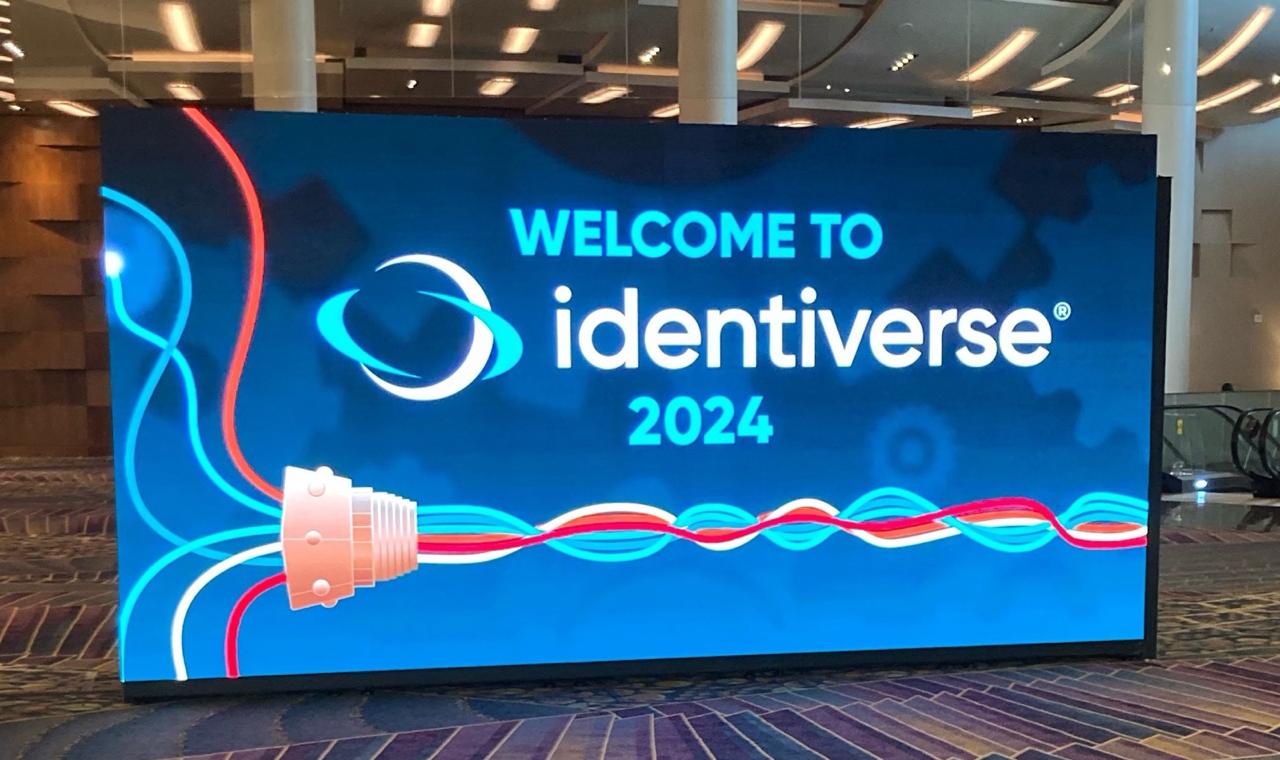
Identiverse 2024 reinforced the central role of Identity as the control plane for modern digital ecosystems. The conference highlighted the industry’s shift toward passwordless authentication, with strong momentum around passkeys, improved user experience, and phishing-resistant security.
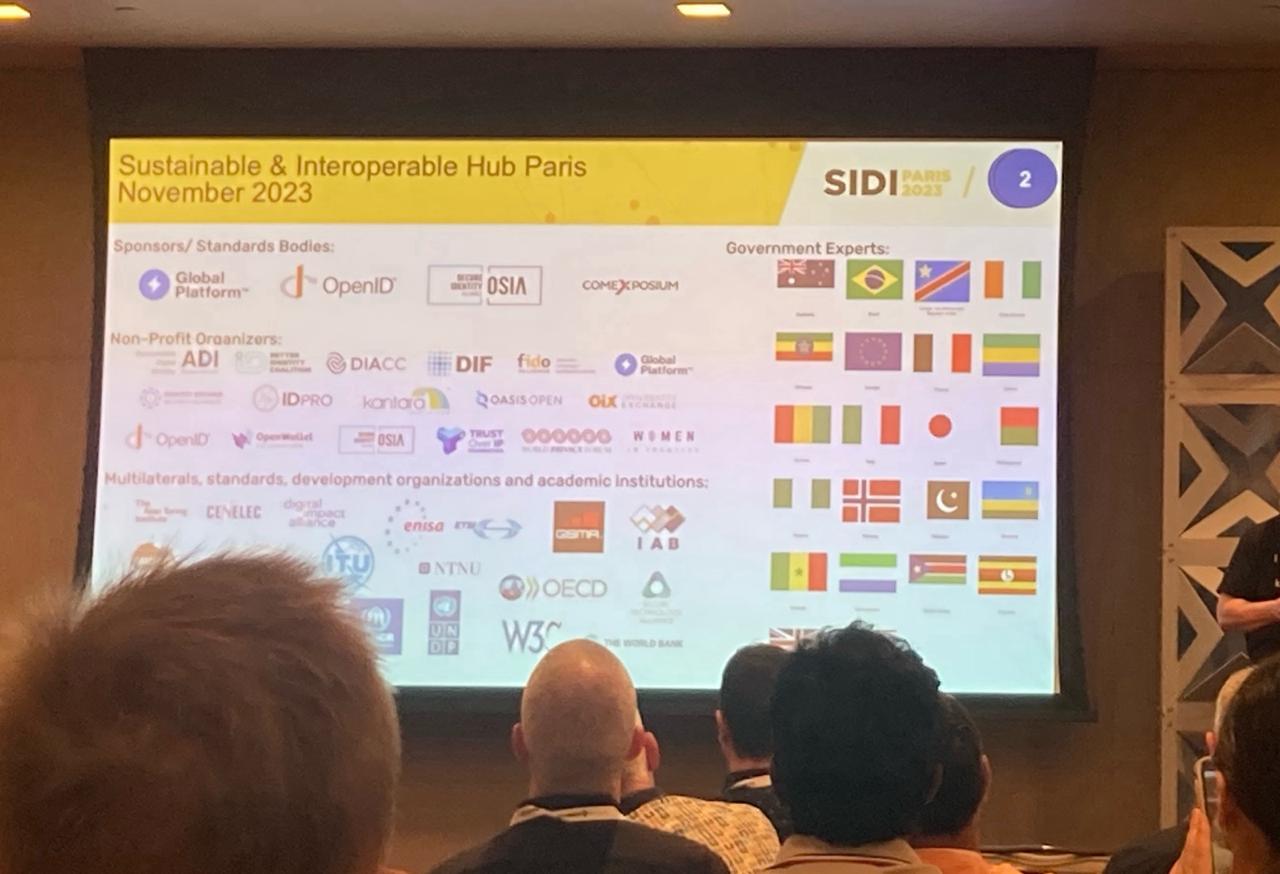
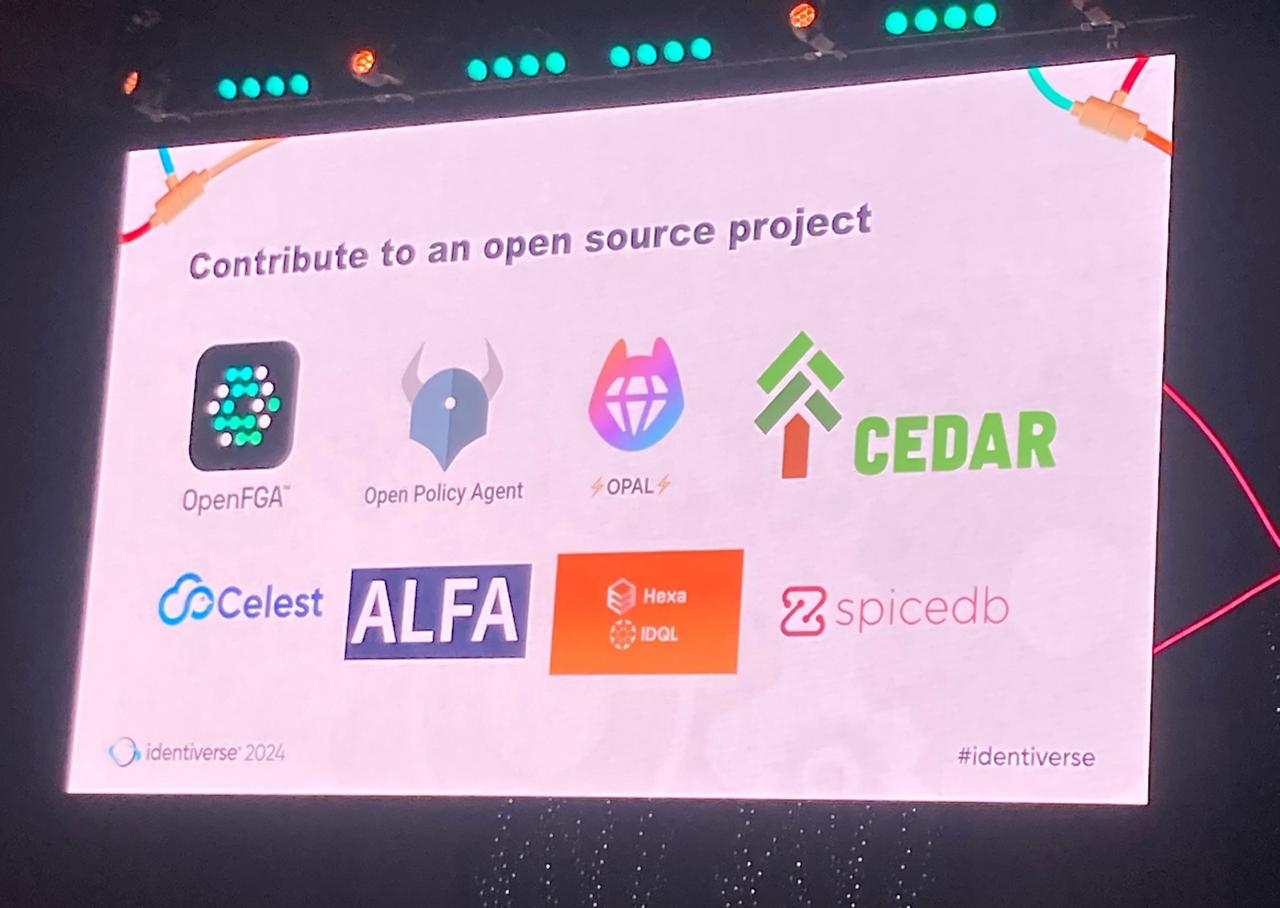
A major focus was the evolution of open standards, including OAuth 2.0, OpenID Connect, Verifiable Credentials, and emerging authorization models aimed at supporting more dynamic and decentralized architectures. Discussions emphasized the need for fine-grained, policy-based authorization, decoupling identity, authentication, and authorization from application logic.
Another key theme was the growing impact of AI and automation on identity systems, raising questions about non-human identities, agent access, and governance. Zero-trust principles, interoperability, and lifecycle management for both human and machine identities were recurring topics across sessions.
Overall, Identiverse 2024 underscored the importance of standards-driven, composable IAM architectures that can scale across cloud, APIs, and emerging agent-based systems, while maintaining strong security and usability.
Identiverse 2024 reinforced the importance of open standards in IAM, and it was a pleasure to be part of the conference and engage with the broader identity community.